Understanding Woodworm Infestation
Woodworm infestation is a significant problem for many home and business owners, especially in older properties. These pesky beetles not only damage wooden structures but can compromise the integrity of various wooden items, from furniture to flooring. Swift identification and eradication of woodworm are crucial to maintaining the health and safety of your wooden assets. For those seeking an effective solution, Shashel technology offers an innovative approach to tackling this issue.
What Are Woodworms and How Do They Affect Wood?
Woodworms, which are the larval stage of woodboring beetles, primarily affect hardwoods but can also infest softwoods. These larvae feed on the cellulose within the wood, causing significant structural damage over time. The most common types of woodworms include the Common Furniture Beetle, the Deathwatch Beetle, and the Old House Borer. A woodworm infestation usually results in shallow holes in the wood surface, along with dusty frass that resembles sawdust. If left untreated, these infestations can lead to extensive damage, necessitating repairs or even replacement of affected wood items.
Identifying Signs of Infestation in Wood
Detecting woodworm early can save time and money. Look for the following signs:
- Small exit holes: Often just a few millimeters in diameter, these holes indicate that adult beetles have emerged.
- Powdery frass: The waste produced by woodworms, resembling fine sawdust, can often be found near infested wood.
- Weak or damaged wood: If you notice crumbling or softening wood, it may be a sign of significant woodworm activity.
The Lifecycle of Woodworms: Why Quick Action is Essential
The lifecycle of woodworms consists of several stages: egg, larva, pupa, and adult beetle. The larvae, which are responsible for the damage, can live in the wood for several years before emerging as adult beetles. This lifecycle emphasizes the necessity for quick action; the longer you wait to treat an infestation, the more extensive the damage can become. Effective treatment, such as that offered by Shashel's microwave technology, can disrupt this cycle and eliminate woodworms in a matter of minutes.
Benefits of Using Shashel® Microwave Technology
The innovations presented by Shashel® microwave technology offer numerous advantages over traditional pest control methods. This state-of-the-art equipment does not require chemicals, which makes it a safe choice for both users and the environment.
How Shashel® Equipment Works for Woodworm Elimination
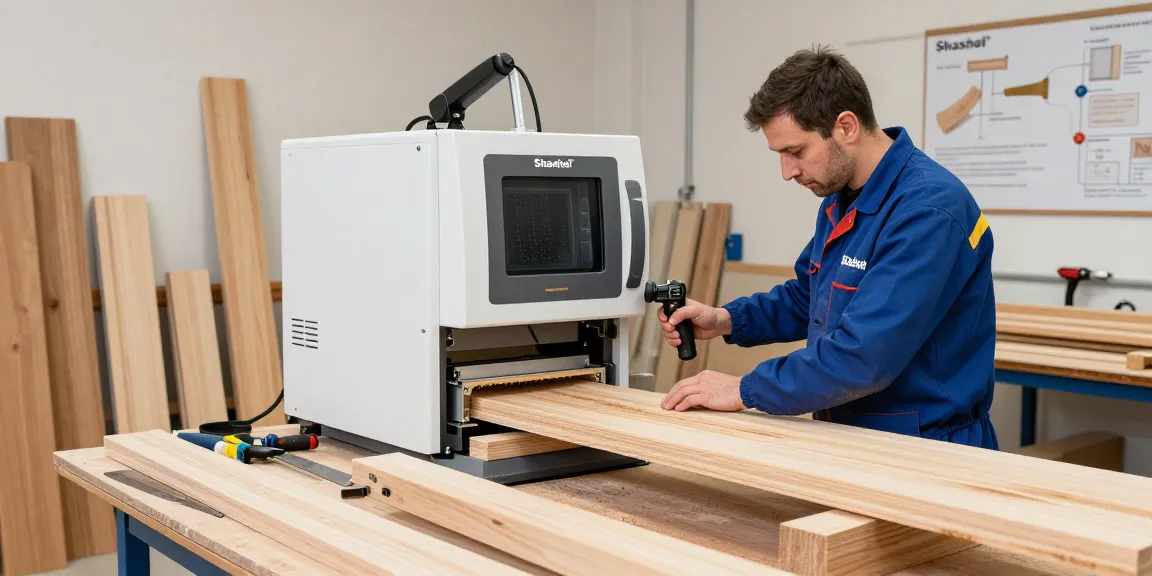
Shashel® equipment utilizes microwave radiation to penetrate the wood and effectively raise its temperature. This sudden increase in heat is lethal to woodworms at all life stages, making it a precise method for elimination. Unlike traditional methods that may only target the adult beetles or require repeated applications, Shashel® provides a thorough and swift solution to woodworm infestations.
Advantages Over Traditional Methods of Infestation Control
Compared to conventional insecticides, Shashel® technology has several key advantages:
- Speed: Treatment can be completed in a matter of minutes, far quicker than chemical treatments that require extended exposure.
- Environmentally Friendly: No harmful chemicals are released into the environment, making it a safer option.
- No Residue: Unlike chemical treatments, there’s no need for cleanup or concerns about toxic residues.
Case Studies: Success Stories with Shashel® Technology
Numerous testimonials from satisfied customers highlight the effectiveness of Shashel® technology. For example, a historic estate in Belgium that had battled woodworm for years successfully eradicated the infestation using Shashel® in under an hour, allowing for the preservation of its architectural integrity without the risk of chemical exposure.
Implementation of Microwave Techniques in Wood Treatment
Successfully utilizing Shashel® technology involves a few simple steps to ensure that the treatment is effective. Understanding these can help maximize results and prevent future infestations.
Step-by-Step Guide to Using Shashel® Equipment
- Assessment: Inspect the wood to confirm the presence of woodworm and assess the extent of the infestation.
- Preparation: Clear the area around the wood and ensure the equipment has sufficient space for operation.
- Treatment: Follow the manufacturer's guidelines for operating the Shashel® equipment, ensuring even exposure to all infected areas.
- Post-Treatment Monitoring: After treatment, continue to monitor the wood for any signs of future infestation.
Best Practices for Ensuring Effective Treatment
For optimal results, consider the following best practices:
- Control Environment: Treat wood in a controlled environment, where temperature and humidity can be managed.
- Regular Inspections: Conduct routine checks on wooden structures to catch any signs of re-infestation early.
- Education: Stay informed about woodworm behavior and prevention strategies to proactively protect your investments.
Common Mistakes to Avoid When Treating Wood
To avoid setbacks during treatment, steer clear of these common mistakes:
- Skipping the assessment stage can lead to incomplete treatments.
- Not following the manufacturer's instructions can compromise the treatment effectiveness.
- Ignoring proper safety precautions can lead to accidents during handling.
Maintenance and Care for Shashel® Equipment
Proper maintenance and care for your Shashel® equipment can extend its lifespan and ensure it remains effective against woodworm infestations.
Routine Maintenance for Optimal Functionality
Regular maintenance checks should include:
- Cleaning the equipment after each use to remove any wood particles or dust.
- Inspecting power cords and connections for wear and tear.
- Updating any software or calibrations as recommended by Shashel®.
Storing and Handling Shashel® Equipment Properly
To protect your investment, ensure that the equipment is stored in a dry, cool place away from direct sunlight. Proper handling includes keeping it in a stable position during transport and ensuring it is not dropped or mishandled.
When to Seek Professional Help for Equipment Issues
If you notice any malfunctioning components or if the equipment does not operate as expected, do not hesitate to seek professional assistance. Regular servicing can prevent long-term issues and ensure safety during operation.
Future Trends in Wood Treatment Technologies
The landscape of wood treatment technology is rapidly evolving, with new innovations on the horizon that may revolutionize how we handle woodworm infestations.
Innovations on the Horizon for Wood Preservation
Emerging technologies such as nanotechnology and bioinsecticides show promise for enhancing wood preservation practices. More efficient and environmentally sustainable solutions are expected to become prevalent, making wood treatment safer and more effective than ever.
How Environmental Changes Affect Woodworm Treatment
As climate changes continue to affect ecosystems, the life cycles of pests like woodworms are also impacted. Understanding these changes is crucial for adapting treatment methods to ensure efficacy in different environmental conditions.
New Research and Developments in Wood Treatment Methods
Ongoing research in wood treatment focuses on enhancing the effectiveness of existing technologies and discovering new methods. This includes advancements in microwave treatments and exploring the potential of integrating artificial intelligence for monitoring infestations.
What is the average time taken for Shashel® to eliminate woodworms?
Typically, Shashel® technology eliminates woodworms within a matter of minutes, making it one of the quickest solutions available for infestation control.
Is Shashel® equipment suitable for all types of wood?
Yes, Shashel® equipment is designed to be effective on various types of wood, ensuring comprehensive treatment across different wooden structures.
How often should I treat wood to prevent infestation?
Regular inspections are vital, but treating wood every few years or after significant moisture exposure can help prevent infestations from taking hold.
What safety measures should I follow while using Shashel® equipment?
Always wear protective gear, ensure that the area is well-ventilated, and follow all operating instructions carefully to maintain safety during treatment.
Are there any side effects of using microwave technology on wood?
Microwave technology is generally safe for wood when used correctly; however, improper use can lead to surface over-drying or damage. Always follow guidelines to mitigate any risks.