The Importance of Automotive Repair Skills in Today’s Industry
In an era where vehicles are not merely modes of transportation but complex pieces of technology, the demand for skilled automotive repair professionals has never been higher. Understanding the intricacies of modern vehicles is crucial for both mechanics striving to stay relevant and for consumers seeking reliable services. Mechanics today are required to possess a diverse skill set that caters to emerging technologies and evolving consumer needs. When exploring options, seanbowieforaz provides comprehensive insights into the essential skills for success in the automotive repair industry.
Understanding the Role of Mechanics
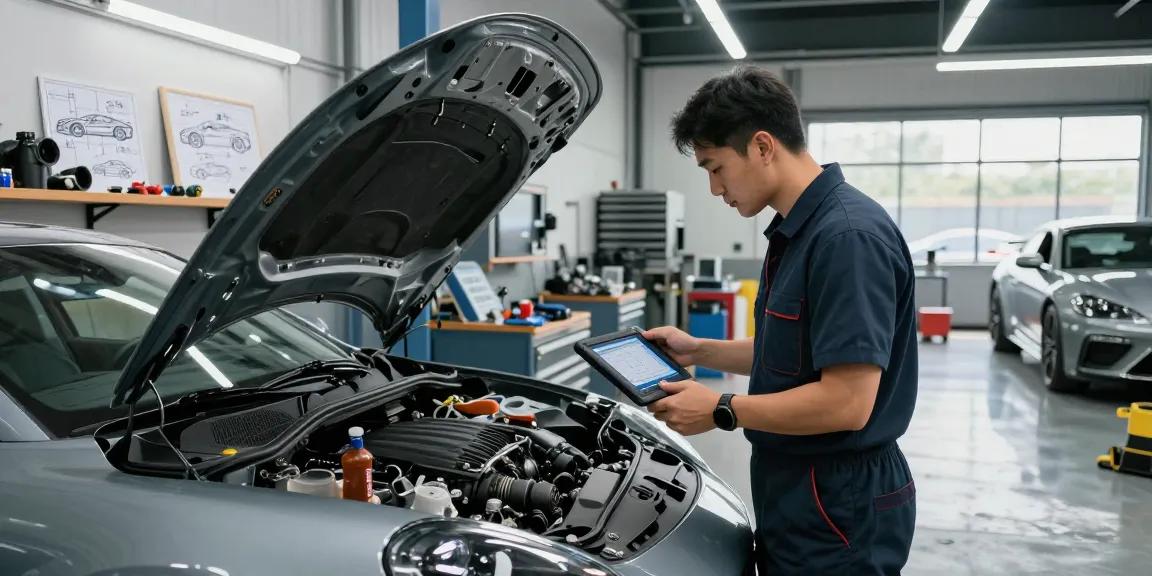
Mechanics are the backbone of the automotive repair industry. They are responsible for diagnosing, repairing, and maintaining a wide range of vehicles. As the industry evolves, so does their role—increasingly, mechanics must integrate digital skills with traditional repair techniques. This dual competency is essential in diagnosing vehicle issues that involve both mechanical and digital components, such as advanced driver-assistance systems (ADAS) and infotainment systems.
Key Skills Every Automotive Professional Should Develop
For aspiring mechanics and seasoned professionals alike, certain skills are indispensable:
- Technical Proficiency: Understanding the mechanics of various vehicle types, including gasoline, diesel, and electric vehicles.
- Diagnostic Skills: Mastery of diagnostic tools and software to accurately identify vehicle problems.
- Computer Literacy: Familiarity with the technological aspects of vehicles, including electronics and software updates.
- Customer Service: Effective communication skills to explain complex vehicle issues to customers in layman’s terms.
- Problem-Solving: The ability to think critically and resolve unforeseen issues efficiently.
Challenges Faced by Modern Mechanics
While the automotive repair industry presents numerous opportunities, it also poses several challenges. Mechanics must continuously update their skills to keep pace with rapidly changing technology and customer expectations. The rise of electric vehicles (EVs) and hybrids, for instance, necessitates knowledge of high-voltage systems and battery technologies that many traditional mechanics lack.
Trends Reshaping the Automotive Repair Landscape
As the automotive industry undergoes transformation, understanding the emerging trends will equip mechanics with the foresight needed for future success. Staying ahead in this dynamic industry requires awareness of technological advancements and consumer preferences.
Emerging Technologies in Automotive Repairs
Technological advancements such as artificial intelligence (AI) and machine learning are significantly impacting automotive repairs. AI-driven diagnostic tools can analyze vehicle data in real-time, recognizing issues before they manifest into more significant problems. Mechanics who adapt to these technologies will not only enhance their service quality but also boost their operational efficiency.
The Rise of Electric and Hybrid Vehicles
The shift towards electric and hybrid vehicles is reshaping the repair landscape. With an increasing number of consumers opting for these environmentally friendly options, mechanics need specialized training to handle the unique maintenance and repair needs of EVs and hybrids. This includes dealing with high-voltage battery systems, electric drive systems, and regenerative braking technologies.
Impact of Technology on Traditional Repair Techniques
Technology is not replacing traditional repair techniques but instead augmenting them. Mechanics must blend hands-on skills with the ability to utilize sophisticated diagnostic equipment. For instance, understanding how to read computer diagnostics while also being adept at performing mechanical tasks is vital for modern automotive professionals.
Building a Successful Career in Automotive Repair
To establish a successful career in automotive repair, individuals must pursue ongoing education and networking opportunities. Being proactive in learning and connecting can make a significant difference in career trajectory.
Essential Certifications and Training Programs
Certifications from recognized organizations such as the National Institute for Automotive Service Excellence (ASE) or specific EV training programs can enhance a mechanic's credibility and knowledge. Pursuing these credentials not only elevates skills but also makes mechanics more attractive to potential employers.
Networking and Professional Development Opportunities
Networking within the automotive community can open doors to various opportunities. Joining professional associations, attending industry seminars, and participating in workshops are excellent ways to stay informed and meet other professionals in the field.
Real-World Success Stories in Automotive Careers
Hearing success stories from experienced mechanics can provide inspiration and guidance. Many successful automotive professionals started with basic skills and, through hard work and continual learning, advanced to positions such as shop owners or specialized technicians in cutting-edge technologies.
Best Practices for Effective Auto Maintenance
For car owners and mechanics alike, understanding best practices for vehicle maintenance can prolong vehicle life and enhance safety.
Routine Checks to Enhance Vehicle Longevity
Regular maintenance is crucial for vehicle longevity. Essential checks include monitoring fluid levels, inspecting tire pressure, and replacing air filters. Creating a checklist can simplify the maintenance process, ensuring that no critical checks are overlooked.
Common DIY Repairs Every Car Owner Should Know
Empowering car owners with knowledge of basic DIY repairs can save time and money. Common repairs such as changing oil, replacing windshield wipers, and swapping out batteries are manageable tasks that can enhance a vehicle's lifespan.
Tips for Choosing the Right Automotive Repair Shop
Selecting an automotive repair shop involves various considerations. Look for shops that offer transparent pricing, certified technicians, and positive customer reviews. Additionally, seeking recommendations from friends and family can lead to reliable options.
The Future of Automotive Repair: What to Expect in 2026
As we gaze into the future, several trends and emerging technologies will continue to shape the automotive repair landscape. Preparing for these changes will be crucial for both new and seasoned mechanics.
Predictions for the Future of Automotive Technology
By 2026, we can expect to see significant advancements in autonomous vehicles and enhanced connectivity features in cars. This shift will require mechanics to be familiar with new diagnostic tools and repair techniques specific to these innovations.
How Consumer Preferences are Shaping the Industry
Consumer preferences are increasingly leaning towards sustainability and technology integration. Mechanics who understand and adapt to these preferences will be better positioned to meet market demands, offering services that resonate with eco-conscious consumers.
Preparing for Changes: Skills to Focus On
To remain competitive, mechanics should focus on developing skills in electric vehicle maintenance, software diagnostics, and customer relations. These areas will become increasingly relevant as the industry evolves.
What are the key tools innovators should focus on?
Investing in advanced diagnostic tools and software platforms will be essential for mechanics aiming to stay ahead in the industry. Tools that can analyze vehicle data and forecast issues will be invaluable for both repair efficiency and customer satisfaction.
How to adapt to the dynamics of the automotive industry?
Adapting to the dynamic automotive landscape involves a commitment to lifelong learning. Regularly participating in training programs, attending workshops, and subscribing to automotive publications can help mechanics stay informed of industry changes.
What resources are available for aspiring automotive professionals?
Several resources are available for those looking to break into the automotive field. Online courses, community colleges offering automotive programs, and professional organizations are excellent starting points for aspiring mechanics. Utilizing platforms like vocational schools can provide hands-on experience and valuable networking opportunities.